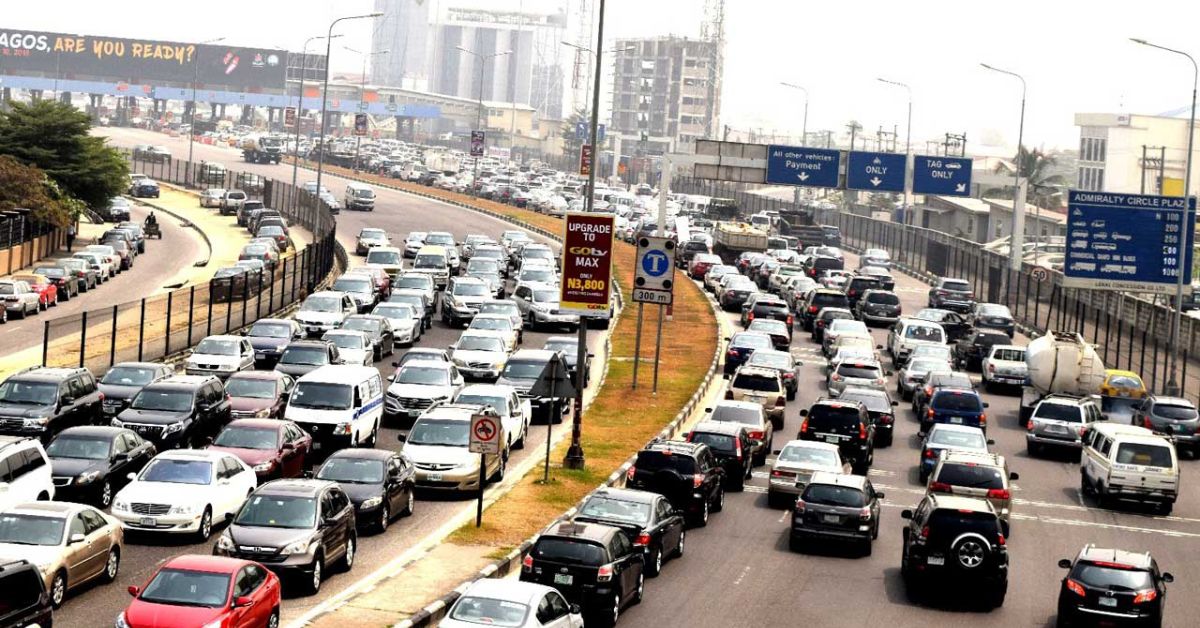
Have you ever wondered what it means to be stuck in the traffic for 3 hours with its attendant noise and bustling? Lagos traffic is out of this world. The city is exciting, ambitious, and always moving. Unfortunately, sometimes the traffic is moving much slower than you are.
You can leave home feeling confident that you have plenty of time, only to find yourself staring at a sea of cars on the Third Mainland Bridge, Lekki-Epe Expressway, Ikorodu Road, or another major Lagos route.
For visitors, Lagos traffic can be confusing. For residents, it can be exhausting. But for both, one thing is certain: you don’t survive Lagos traffic by simply driving faster. You survive it by planning smarter.
Traffic is part of the everyday Lagos experience, especially during peak periods. The good news is that with the right timing, route planning, transport choices and mindset, you can significantly reduce how much time you lose on the road.
Whether you’re visiting Lagos for the first time, commuting to work, heading to the beach, attending an event or exploring the city’s restaurants and attractions, this guide will show you how to survive Lagos traffic without letting it take over your entire day.
Related post: Where Is Computer Village Located in Lagos?
Why Is Lagos Traffic So Challenging?
Before learning how to deal with Lagos traffic, it helps to understand why it can become so intense.
Lagos is one of Africa’s largest urban centres, with a huge population and a constant flow of commuters, commercial vehicles, private cars, motorcycles, delivery vehicles and other road users.
The city is also geographically spread out.
Someone living on the mainland may work on Lagos Island. Someone in Lekki may work in Victoria Island. A person in Ikeja may need to travel to Yaba. Thousands of people make similar journeys every day.
That creates enormous pressure on major roads.
Peak Hours Make Everything Worse
The most difficult periods are usually the morning and evening commuting windows.
In the morning, people are travelling toward major business districts, schools and commercial centres.
In the evening, the traffic flow reverses as commuters head home.
A journey that takes a reasonable amount of time outside peak hours can become dramatically longer during rush hour.
This is why time of day is one of your most powerful traffic-management tools in Lagos.
See also, Best Markets in Lagos: Where to Shop for Fashion, Food, Art & More
The Golden Rule: Don’t Underestimate Travel Time
If you’re new to Lagos, this may be the most important lesson you’ll learn:
Never plan a Lagos journey based solely on the distance.
A destination may look close on a map but take much longer to reach because of congestion.
Instead of asking:
“How far is it?”
Ask:
“How long could it take during the time I’m travelling?”
This small change in thinking can save you from missed flights, late meetings, cancelled reservations and unnecessary stress.
If you have an appointment at 10 AM, don’t calculate the journey as though the roads will be completely clear.
Build a buffer into your schedule.
The earlier you can arrive, the better.
Read also, 10 Cultural & Historical Places to Visit in Lagos
Plan Your Journey Before Leaving
One of the easiest ways to survive Lagos traffic is to do some preparation before you step outside.
Check your route.
Look at current traffic conditions.
Consider alternative roads.
Know where you’re going.
And, importantly, know where you can stop if the traffic becomes unbearable.
Use Navigation Apps
Navigation apps can be extremely useful in Lagos because traffic conditions change quickly.
A road that looks fine when you leave home can become congested 20 minutes later.
Use your preferred navigation app to check:
- Current traffic conditions
- Estimated travel time
- Alternative routes
- Road closures
- Accident-related delays
- Your expected arrival time
Don’t blindly follow the first route suggested.
Sometimes the shortest route isn’t the fastest.
Check Traffic Before You Leave
Don’t wait until you’re already sitting in traffic to discover that your preferred route is blocked.
Check before leaving.
This is particularly important if you’re travelling during peak hours or heading to an important appointment.
A five-minute check before your journey can prevent an hour of frustration later.
Learn Lagos’ Major Traffic Routes
You don’t need to memorise every road in Lagos.
But knowing the city’s major corridors can help you understand how traffic flows.
Some important routes and traffic corridors include:
- Lekki-Epe Expressway
- Third Mainland Bridge
- Ikorodu Road
- Lagos-Ibadan Expressway
- Oshodi-Apapa Expressway
- Agege Motor Road
- Funsho Williams Avenue
- Apapa-Oshodi corridor
- Mobolaji Bank Anthony Way
- Awolowo Way
- Lagos Island access routes
These roads connect major parts of the city and can become heavily congested.
The important thing isn’t simply knowing their names.
It’s understanding that a problem on one major route can affect surrounding roads.
That’s why alternative-route planning matters.
Choose the Right Time to Travel
If you have flexibility, timing can be more valuable than almost anything else.
Travel Early
For important appointments, consider leaving earlier than you think you need to.
Early travel can give you several advantages:
- Less pressure
- More predictable journey times
- Better parking opportunities
- Less risk of missing appointments
- More time to recover if something goes wrong
Arriving early may feel inconvenient.
Arriving late because you underestimated Lagos traffic is usually worse.
Avoid Peak Periods When Possible
If you don’t need to travel during the busiest commuting periods, don’t.
Schedule errands outside peak hours where possible.
For example, if you need to visit a market, restaurant or attraction, consider going after the morning rush rather than immediately after commuters hit the road.
Similarly, if you have an evening appointment, give yourself plenty of time to cross the city.
Consider Where You’re Staying
If you’re visiting Lagos, your accommodation can have a major impact on your experience.
Choosing a hotel or short-let close to the places you plan to visit can save you hours of commuting.
This is particularly important if your trip involves several parts of Lagos.
If most of your activities are in Victoria Island, staying far away on the mainland may create unnecessary daily journeys.
If you’re attending an event in Lekki, staying closer to Lekki may be more convenient.
The same principle applies to business travellers.
In Lagos, location isn’t just about convenience. It can determine how much of your trip you actually spend enjoying the city.
Choose Your Transport Wisely
There is no single best way to move around Lagos.
Your choice depends on your destination, budget, comfort level and traffic conditions.
Ride-Hailing Services
Ride-hailing services can be convenient for visitors because you don’t need to negotiate fares or understand every public transport route.
They can also make navigation easier.
However, a ride-hailing vehicle doesn’t magically escape traffic.
If the road is congested, you will still be sitting in traffic.
The advantage is convenience, navigation and easier door-to-door travel.
Buses
Public buses are widely used by Lagos residents.
They can be affordable and useful for people familiar with the city’s transport system.
For first-time visitors, however, public transport may require more preparation.
Learn your route before boarding and confirm your destination with the conductor.
BRT
Lagos’ Bus Rapid Transit system can be useful on routes it serves because it operates along designated corridors.
It won’t solve every journey, but where available, it can be an alternative to sitting in private-car traffic.
Trains
Rail transport can be particularly useful for journeys along routes served by Lagos’ rail network.
When your destination and starting point make rail practical, it can help you avoid some road congestion.
The key lesson is simple:
Don’t automatically assume that a car is the fastest option.
Don’t Let One Traffic Jam Destroy Your Day
This sounds obvious, but it matters.
If you’re stuck in traffic, getting angry won’t make the vehicles move faster.
Instead, use the time intelligently.
Listen to a podcast.
Catch up on audio messages.
Listen to music.
Make necessary calls when safe and appropriate.
If you’re a passenger, use the time to plan your day.
The goal isn’t to pretend traffic is enjoyable.
The goal is to avoid allowing traffic frustration to ruin everything else.
Keep Essentials in Your Car or Bag
If you’re spending significant time on Lagos roads, preparation makes a difference.
Consider carrying:
- Drinking water
- Phone charger or power bank
- Small snacks
- Hand sanitiser
- Sunglasses
- Umbrella
- Necessary medication
- Offline directions or important addresses
- Some emergency cash
A long traffic delay becomes much easier to handle when you’re prepared.
Keep Your Phone Charged
This deserves special attention.
Your phone may be your navigation system, communication tool and ride-hailing device.
A dead phone can turn a frustrating journey into a serious inconvenience.
Carry a power bank or car charger whenever possible.
Be Careful During Rainy Weather
Rain can significantly change driving conditions in Lagos.
Heavy rainfall may reduce visibility, slow traffic and contribute to flooding in some areas.
If you’re travelling during heavy rain, give yourself additional time.
Don’t assume that a journey that normally takes one hour will take one hour in bad weather.
If conditions are severe, consider delaying non-essential travel until conditions improve.
Check Your Route Again
A route that was clear before the rain can change quickly.
Check navigation conditions again before setting off.
If you’re already on the road, stay alert for changing conditions and follow local traffic instructions.
Don’t Follow Traffic Shortcuts Blindly
Lagos drivers are often creative when traffic gets bad.
You may see vehicles turning into smaller streets, using alternative roads or finding unexpected ways around congestion.
But don’t assume every shortcut is a good idea.
A narrow side street may become completely blocked.
A road you don’t know may take you farther away from your destination.
A route that works for a local driver may not be practical if you’re unfamiliar with the area.
Use navigation tools and common sense.
The fastest-looking shortcut isn’t always the fastest route.
If You’re Driving, Stay Alert
Driving in Lagos requires patience and awareness.
Expect different types of road users around you.
You may encounter:
- Cars
- Buses
- Motorcycles
- Trucks
- Pedestrians
- Delivery vehicles
- Commercial vehicles
Traffic conditions can change quickly.
Avoid aggressive driving.
Leave enough space where possible.
Watch intersections carefully.
Be particularly alert when changing lanes.
And don’t let another driver’s impatience force you into making a dangerous decision.
Getting there safely is more important than getting there five minutes earlier.
What Visitors Should Know About Lagos Traffic
If you’re visiting Lagos for the first time, the city’s traffic can feel overwhelming.
Don’t let it discourage you.
The trick is to build your itinerary around geography.
Instead of travelling across Lagos several times in one day, group activities that are close to each other.
For example, you could dedicate one part of your day to Lagos Island and another to Victoria Island rather than repeatedly crossing between distant areas.
This is one reason a well-planned itinerary makes such a difference.
Don’t Pack Too Many Attractions Into One Day
A common mistake visitors make is trying to see everything.
Lagos is too large for that approach.
If you plan five attractions scattered across the city, you may spend more time travelling between them than actually experiencing them.
Choose a manageable number of places.
Give yourself breathing room.
Remember that Lagos is not a city to rush through.
Traffic-Proof Your Lagos Itinerary
Want to explore Lagos without spending your entire holiday in a car?
Use the cluster method.
Group destinations by area.
Lagos Island Day
Consider combining attractions such as:
- Freedom Park
- National Museum Lagos
- Tafawa Balewa Square
- J. Randle Centre for Yoruba Culture and History
These attractions are located within the broader Lagos Island/Onikan area.
Victoria Island Day
You could combine:
- Terra Kulture
- Muri Okunola Park
- Eko Atlantic
- A nearby beach or waterfront
- Dinner in Victoria Island
Lekki Day
Consider grouping:
- Nike Art Gallery
- Lekki Conservation Centre
- Nearby restaurants
- Beaches and other attractions in the Lekki axis
The specific combination depends on opening hours and your interests, but the principle remains the same:
Explore one area at a time.
This can dramatically reduce unnecessary cross-city travel.
What Time Should You Leave for the Airport?
Airport journeys deserve extra planning.
Never treat an airport trip like an ordinary journey.
Traffic can change dramatically, and delays can be unpredictable.
If you’re flying from Murtala Muhammed International Airport, give yourself a generous buffer.
Consider:
- Your airline’s check-in requirements
- Expected traffic
- Weather
- Your starting location
- Possible road delays
- Time needed to enter the airport and complete formalities
For an important flight, being early is far better than discovering you’re still stuck on the road when boarding is approaching.
Lagos Traffic Survival Tips at a Glance
If you remember nothing else from this article, remember these:
1. Check traffic before leaving.
Don’t start your journey blindly.
2. Leave early for important appointments.
A buffer is your friend.
3. Avoid peak traffic when possible.
Flexibility can save hours.
4. Group destinations by location.
Don’t zigzag across Lagos unnecessarily.
5. Choose transport based on the route.
Cars aren’t always the fastest option.
6. Keep your phone charged.
Navigation and communication matter.
7. Carry water and essentials.
Long delays happen.
8. Be patient during congestion.
Frustration won’t clear the road.
9. Be extra careful during heavy rain.
Weather can change travel conditions quickly.
10. Prioritise safety over speed.
Arriving safely is the real goal.
Frequently Asked Questions (FAQs)
Why is Lagos traffic so bad?
Lagos has a very large and active urban population, with huge numbers of people commuting between residential, commercial and business districts every day. Traffic becomes especially intense when many commuters use the same major roads at the same time.
What time is Lagos traffic worst?
Traffic is generally most challenging during the major morning and evening commuting periods. Conditions vary by route and day, so checking live traffic before travelling is advisable.
How can I avoid traffic in Lagos?
The most effective strategies are travelling outside peak periods, checking live traffic conditions, leaving early, choosing alternative routes and grouping destinations by area.
What is the best way to get around Lagos?
It depends on your journey. Ride-hailing, buses, BRT, rail and private cars can all be useful in different circumstances. Your destination, traffic conditions, budget and familiarity with Lagos should determine your choice.
Is Lagos traffic worse during the rainy season?
Heavy rain can make traffic more difficult by reducing visibility, slowing vehicles and causing flooding or road disruptions in some locations. Always allow additional travel time during severe weather.
How early should I leave for an appointment in Lagos?
There is no single answer because journey times vary considerably by route and time of day. For important appointments, build a substantial buffer rather than relying on the minimum estimated travel time.
How do tourists survive Lagos traffic?
Tourists can make their trips easier by staying close to their main activities, grouping attractions by location, checking traffic before travelling and avoiding unnecessary cross-city journeys.
Is public transport safe for tourists in Lagos?
Public transport is widely used, but first-time visitors should understand their route, remain aware of their surroundings and use reputable transport options. Visitors unfamiliar with the city may find organised or app-based transport easier for certain journeys.
Can I explore Lagos in one day despite the traffic?
Yes, but you need to be realistic. Choose attractions in the same general area rather than trying to cross the entire city. A well-planned one-day itinerary can be much more enjoyable than an ambitious schedule that leaves you stuck on the road.
What should I carry when travelling around Lagos?
Water, a charged phone, power bank, navigation information, snacks and an umbrella can be useful. Your exact needs will depend on how long you’re travelling and what you’re doing.
Conclusion
Lagos traffic is frustrating. There’s no point pretending otherwise.
But it doesn’t have to control your entire experience of the city.
The secret to surviving Lagos traffic is planning around it rather than fighting it.
Travel at sensible times.
Check the roads before leaving.
Choose the right transport.
Stay close to your main destinations.
Group activities by location.
Give yourself extra time.
And when traffic inevitably slows you down, stay calm.
Once you understand how the city moves, Lagos becomes much easier to navigate.
And that’s the real trick.
You don’t beat Lagos traffic by trying to outrun the city. You survive it by learning how the city moves.