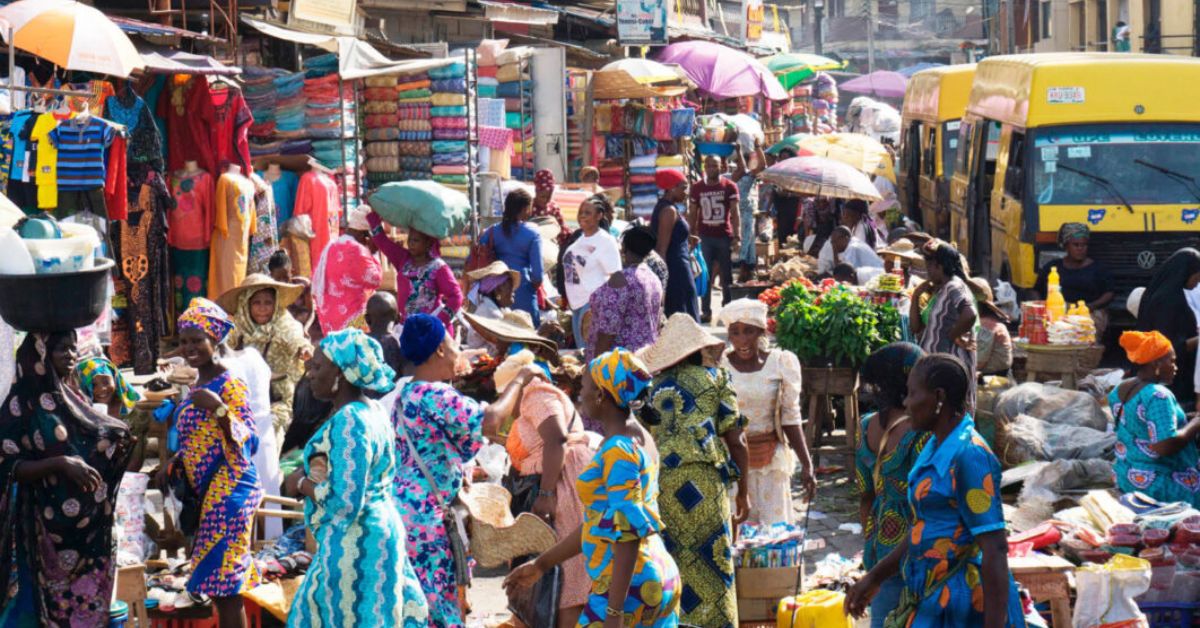
There is practically nothing you would want to get in Nigeria that cannot be found in Lagos, ranging from clothes, gadgets, automobiles, and what have you? Lagos has it all. It is one of the best cities in Nigeria for shopping, but the real experience goes far beyond modern malls.
The city’s markets are where you see Lagos at its busiest, boldest, and most colourful. You can shop for Ankara and lace fabrics, discover Nigerian fashion, buy fresh seafood and local ingredients, hunt for affordable clothing, explore traditional crafts or find art and souvenirs to take home.
But Lagos markets can also be overwhelming.
Some are enormous. Some specialise in one type of product. Others require patience, confident bargaining and a willingness to navigate crowded streets and endless rows of traders.
That is why knowing which Lagos market to visit can save you time.
Looking for fabrics? Start with Balogun or Tejuosho. Want fresh food? Mile 12 is one of the city’s biggest names. Searching for art and crafts? Lekki Arts and Crafts Market is a better fit. Want affordable fashion? Yaba and Aswani should be on your radar.
This guide covers the best markets in Lagos for fashion, food, art, fabrics, souvenirs and more, including what each market is known for and who should visit.
Related post: Lagos for Art Lovers: 11 Galleries, Museums & Creative Spaces to Explore
Why Lagos Markets Are Worth Exploring
Shopping in a Lagos market is not the same as shopping in a supermarket or mall.
The experience is more direct.
See also, A Complete Guide to Exploring Lagos Island: What to See & Do
You speak with traders. You compare prices. You inspect fabrics and goods yourself. You hear the sounds of bargaining, generators, traffic and conversations happening all around you.
Markets are also deeply connected to the city’s economy and culture.
They show what people wear, what they eat, what they buy for celebrations, and how traditional and modern commerce exist side by side.
A market visit can introduce you to:
- Ankara, lace and other Nigerian fabrics
- Ready-made fashion and shoes
- Fresh fruits and vegetables
- Seafood, meat and spices
- Nigerian ingredients
- Traditional crafts
- Beads and accessories
- Paintings and souvenirs
- Household goods
- Affordable second-hand clothing
The key is choosing the right market for what you need.
Read also, Lagos Food Guide: 20 Nigerian Foods You Must Try in the City
1. Balogun Market
If you’re serious about shopping for fabrics, fashion and wholesale goods in Lagos, Balogun Market is one of the first places to consider.
Located in the heart of Lagos Island, Balogun is one of the city’s largest and most famous commercial markets. It is especially popular for fabrics, clothing, shoes, bags, jewellery and other fashion-related products.
This is not a quiet shopping destination.
It is large, busy and constantly moving.
But that is also part of its appeal.
What can you buy at Balogun Market?
Balogun is particularly useful for:
- Ankara fabrics
- Lace materials
- Aso-oke and traditional fabrics
- Ready-made clothing
- Shoes and bags
- Jewellery and accessories
- Wedding and occasion fabrics
- Wholesale fashion items
If you’re shopping for an owambe outfit, planning a wedding or simply want a large selection of fabrics, Balogun gives you plenty to compare.
Why visit?
Choice.
That is Balogun’s greatest advantage.
You can find multiple sellers offering similar products, which gives you a better opportunity to compare quality and negotiate prices.
Best for: Fabrics, fashion, traditional clothing and wholesale shopping.
2. Tejuosho Market
Tejuosho Market is one of the best-known shopping destinations on the mainland, especially for fashion, fabrics and everyday goods.
Located in Yaba, the market attracts shoppers looking for variety without travelling all the way to Lagos Island.
It is particularly useful if you want to browse different categories in one location.
What can you shop for?
Depending on the section you visit, you may find:
- Clothing
- Fabrics
- Shoes
- Bags
- Jewellery
- Beauty products
- Household items
- Accessories
Tejuosho is a good option for visitors who enjoy browsing.
You may not arrive with one specific item in mind and still leave with several shopping bags.
Why Tejuosho is worth visiting
It offers the energy of a traditional Lagos market while remaining a major shopping destination for a broad range of products.
Prices and quality can vary, so don’t rush into the first purchase you see.
Walk around.
Compare options.
Then negotiate.
Best for: Fashion, fabrics, accessories and general shopping.
3. Mile 12 Market
For food lovers, chefs and anyone curious about how fresh produce moves through Lagos, Mile 12 Market is one of the city’s most important markets.
It is widely known for fresh agricultural produce and attracts buyers purchasing fruits, vegetables and food items in large quantities.
This is a working market first.
If you’re expecting a polished tourist attraction, adjust your expectations.
Mile 12 is about scale, movement and food commerce.
What can you find at Mile 12 Market?
Expect a wide range of fresh produce, including:
- Tomatoes
- Peppers
- Onions
- Leafy vegetables
- Fruits
- Root vegetables
- Other seasonal produce
The market is especially useful for understanding the scale of food distribution in a city as large as Lagos.
Why visit?
If you love food, markets can tell you as much about a destination as restaurants.
Mile 12 gives you a closer look at the ingredients behind many Nigerian meals.
You will see the raw materials that eventually become jollof rice, pepper soup, vegetable soups, stews and countless other dishes.
Best for: Fresh food, local ingredients, food photography and culinary exploration.
4. Lekki Arts and Crafts Market
If you’re looking for souvenirs, Nigerian crafts and African-inspired gifts, Lekki Arts and Crafts Market should be near the top of your list.
Often associated with the Jakande area, this market is one of the most visitor-friendly options for people searching for handmade items and cultural souvenirs.
Compared with giant commercial markets, shopping here feels more focused.
You generally know what you’re coming for.
What can you buy?
Popular items include:
- Wooden carvings
- Paintings
- Beads
- Jewellery
- Masks
- Sculptures
- Traditional crafts
- Leather goods
- Decorative items
- Souvenirs
Why it is worth visiting
It is one of the easiest places to shop specifically for items that reflect Nigerian and African creativity.
If you want something to decorate your home or take back as a gift, this is a stronger option than a general clothing market.
Take your time when browsing.
Handmade items can vary significantly in design, quality and price.
Best for: Art, crafts, gifts, souvenirs and handmade items.
5. Yaba Market
Yaba is one of the mainland’s most popular areas for affordable fashion and youthful street style.
The wider Yaba shopping area attracts students, young professionals and bargain hunters looking for clothing, shoes, accessories and everyday items.
What makes Yaba interesting is its energy.
It feels connected to the fast-moving rhythm of modern Lagos.
What can you shop for?
Yaba is particularly useful for:
- Affordable clothing
- Casual fashion
- Shoes
- Bags
- Accessories
- Everyday essentials
- Budget-friendly shopping
The area can be a good choice if you’re looking for fashionable items without automatically heading to higher-end stores.
Why visit?
Because you don’t need a luxury budget to shop well in Lagos.
Yaba gives you an opportunity to explore more affordable fashion and discover styles that reflect how many young Lagosians dress.
Best for: Affordable fashion, casual clothing and bargain shopping.
6. Oshodi Market Area
Oshodi has long been one of Lagos’ best-known commercial areas.
The wider shopping environment is associated with a huge variety of goods, and the area remains important for everyday commerce.
What makes Oshodi interesting is its sheer commercial energy.
You’re not visiting for one carefully curated shopping experience.
You’re entering an area where Lagos business happens at full speed.
What can you find?
Depending on where you shop, you may encounter:
- Clothing
- Shoes
- Bags
- Household items
- Food products
- Electronics and accessories
- Everyday goods
Why shop here?
For variety and value.
Oshodi can reward shoppers who know exactly what they want and are prepared to compare prices.
Because the commercial environment is busy, stay aware of your surroundings and keep your belongings secure.
Best for: Everyday shopping, variety and bargain hunting.
7. Aswani Market
For shoppers who enjoy hunting for affordable clothing, Aswani Market is a major name to know.
It is particularly famous for second-hand clothing and bargain fashion.
The appeal is simple: you can search through a large volume of clothing and occasionally find something excellent for far less than you would pay in a conventional retail store.
But this is a market for patient shoppers.
You may need to inspect many items before finding the right one.
What can you shop for?
Popular categories include:
- Second-hand clothing
- Shirts and trousers
- Dresses
- Jackets
- Shoes
- Casual fashion
- Children’s clothing
Why visit Aswani?
Because shopping here feels like a hunt.
You don’t always know what you’ll find.
That unpredictability is part of the experience.
Some shoppers come with a clear list. Others browse until something catches their attention.
Best for: Second-hand fashion, affordable clothing and bargain hunters.
8. Oyingbo Market
Oyingbo Market is one of the best places to experience the practical side of Lagos food shopping.
Located around the Ebute Metta area, the market is known for food items, ingredients and general everyday commerce.
For visitors interested in Nigerian cooking, markets like Oyingbo can be particularly revealing.
You see ingredients in their raw form.
You discover products that may not be available in ordinary supermarkets.
And you get a better understanding of how local food is bought and sold.
What can you find?
Look out for:
- Fresh produce
- Pepper and spices
- Grains
- Local food ingredients
- Meat and fish
- Other household essentials
Why visit?
Oyingbo is a useful choice if you want a more local food-market experience.
It is especially interesting for visitors who enjoy cooking or want to learn more about Nigerian ingredients.
Best for: Nigerian food ingredients, everyday shopping and culinary exploration.
9. Idumota Market
If Balogun Market represents the enormous fashion and fabric trade of Lagos Island, Idumota Market is another major part of the area’s commercial identity.
The wider Idumota shopping district is known for a vast range of goods and is especially important for wholesale and retail trade.
This is one of those places where the city seems to have almost everything somewhere.
The challenge is finding the right section.
What can you buy?
Depending on where you shop, you may find:
- Clothing
- Shoes
- Bags
- Fabrics
- Accessories
- Electronics
- General merchandise
- Wholesale goods
Why visit?
Idumota is best for shoppers who enjoy choice and don’t mind a little chaos.
It also works well for buyers looking to purchase multiple items or explore wholesale options.
Best for: General shopping, fashion, wholesale goods and variety.
10. Epe Fish Market
If you’re willing to explore beyond the busiest central parts of Lagos, Epe Fish Market offers a very different shopping experience.
Epe has strong connections to fishing and coastal commerce, making its markets particularly interesting for fresh and smoked fish.
This is a better choice for travellers who want to explore Lagos State beyond Victoria Island, Lekki and Lagos Island.
What makes Epe Fish Market special?
It connects shopping with local food culture.
Fish is an important part of Nigerian cuisine, and seeing how fresh and smoked seafood is traded gives you another perspective on Lagos food.
Depending on availability and season, you may find different varieties of fish and seafood products.
Why visit?
Because it turns market shopping into a wider cultural experience.
You can combine an Epe trip with exploration of the town, waterfront areas and other attractions in the eastern part of Lagos State.
Best for: Fresh and smoked fish, food lovers and travellers exploring beyond central Lagos.
11. Ladipo Market
Ladipo Market is different from most markets on this list.
It is best known for automobile parts.
So why include it in a guide to the best markets in Lagos?
Because it demonstrates just how specialised Lagos commerce can be.
If you need vehicle parts, particularly replacement components, Ladipo is one of the major names associated with that trade.
For ordinary tourists, this may not be a priority stop.
But for car owners, mechanics and business buyers, it can be extremely relevant.
Why Ladipo stands out
The market shows that Lagos has markets built around almost every type of need.
Fashion has its markets.
Food has its markets.
Art has its markets.
And automobiles have theirs.
Best for: Auto parts, vehicle-related shopping and specialised trade.
12. Mushin Market Area
Mushin is another major commercial part of Lagos where shopping is woven into everyday life.
The wider area is known for its active trading environment and range of goods.
Visitors won’t find one single polished “Mushin Market experience.”
Instead, the appeal lies in exploring a major commercial district where local trade is part of the daily rhythm of the community.
What can you find?
Depending on the specific market or street, you may encounter:
- Food items
- Clothing
- Household goods
- Fabrics
- Everyday essentials
- Small business products
Why include Mushin?
Because the best markets in Lagos aren’t always designed for tourists.
Some offer a more direct view of how residents shop, trade and do business every day.
Best for: Local market experiences, everyday shopping and travellers interested in Lagos street commerce.
What to Buy in Lagos Markets
Not sure what to shop for?
Here are some of the best things to look for.
Ankara and Traditional Fabrics
Lagos is one of the best places to shop for colourful fabrics.
Look for:
- Ankara
- Lace
- Aso-oke
- Adire-inspired textiles
- Other fabrics for traditional clothing
Balogun and Tejuosho are strong starting points.
Nigerian Fashion
From ready-made clothing to materials for custom-made outfits, Lagos offers endless fashion options.
For affordable clothing, consider Yaba and Aswani.
For a wider range of fabrics and occasion wear, explore Lagos Island markets.
Art and Souvenirs
For handmade gifts and decorative items, Lekki Arts and Crafts Market is one of the most obvious choices.
Look for paintings, carvings, beads and other crafts—but take time to inspect the work before buying.
Fresh Nigerian Ingredients
Food markets are the place to explore the ingredients behind Nigerian cuisine.
Look for fresh pepper, vegetables, fruits, spices, grains, fish and other local ingredients.
Mile 12 and Oyingbo are useful starting points.
Second-Hand Fashion
If you enjoy bargain hunting, markets such as Aswani can offer a more unpredictable but potentially rewarding shopping experience.
Inspect items carefully before buying.
How to Shop Smartly in Lagos Markets
Lagos markets can be exciting, but a little preparation helps.
Compare Prices Before Buying
Don’t assume the first price is the best price.
Where possible, ask more than one seller, especially when buying fabrics, clothing or larger quantities.
Bargain Respectfully
Negotiation is common in many markets.
But bargaining doesn’t need to become an argument.
Be polite, know roughly what you’re willing to pay and be prepared to walk away if the price doesn’t work for you.
Carry More Than One Payment Option
Payment methods can vary.
It is useful to have practical options available rather than relying entirely on one method.
Keep Your Belongings Secure
Busy markets require awareness.
Keep phones, wallets and other valuables secure, particularly in crowded areas.
Dress Comfortably
Many markets involve walking, standing and moving through crowded spaces.
Comfortable shoes will make the experience much easier.
Go Early When Possible
Shopping early can help you avoid some of the day’s heat and gives you more time to browse before the busiest periods.
Ask Before Taking Photos
Markets are visually fascinating, but not every trader wants to be photographed.
Always ask permission when taking close photographs of people or their goods.
Frequently Asked Questions (FAQs)
What is the best market in Lagos for shopping?
It depends on what you want to buy.
Balogun Market is one of the best choices for fabrics and fashion, Mile 12 is known for fresh produce, Lekki Arts and Crafts Market is ideal for souvenirs and art, while Yaba and Aswani are good options for affordable clothing.
Where can I buy fabrics in Lagos?
Balogun Market is one of the top destinations for Ankara, lace and other fabrics. Tejuosho Market is another useful option, particularly for shoppers on the mainland.
What is the best market in Lagos for souvenirs?
Lekki Arts and Crafts Market is one of the best places to look for souvenirs, paintings, carvings, beads and handmade items.
Where can I buy affordable clothes in Lagos?
Yaba and Aswani are popular options for budget-conscious shoppers. You can also find affordable fashion in other major markets, depending on the type of clothing you’re looking for.
What is the best food market in Lagos?
Mile 12 is one of the best-known markets for fresh produce, while Oyingbo is also useful for local ingredients and everyday food shopping.
Can tourists visit Lagos markets?
Yes. Lagos markets can offer some of the most interesting shopping and cultural experiences in the city.
However, choose the right market for what you want to buy, stay aware of your surroundings and be prepared for crowds and a fast-paced environment.
Do you need to bargain in Lagos markets?
Bargaining is common in many markets, particularly when buying fashion, fabrics and other non-fixed-price goods.
Prices and practices can vary, so negotiate politely and compare options before making a purchase.
What should I wear to a Lagos market?
Wear comfortable clothing and shoes suitable for walking.
Avoid carrying unnecessary valuables, especially when visiting crowded markets.
What is the biggest market in Lagos?
Lagos has several extremely large commercial markets, and different markets dominate different sectors. Balogun and the wider Lagos Island commercial district are among the city’s best-known large markets for fashion, fabrics and general trade.
Conclusion
Malls can be convenient.
But if you want to understand the commercial energy of Lagos, visit a market.
This is where you see fashion being bought for weddings and celebrations. Where traders sell mountains of fresh produce. Where shoppers search for the perfect fabric, bargain for a better price or discover something they weren’t planning to buy.
From the fashion-filled streets around Balogun and Idumota to the fresh produce of Mile 12, the affordable clothing at Yaba and Aswani, and the art and crafts of Lekki Arts and Crafts Market, every market offers a different side of Lagos.
You don’t need to visit them all.
Choose based on what interests you.
Want fabrics? Go to Balogun.
Want food? Explore Mile 12 or Oyingbo.
Want art and souvenirs? Head to Lekki Arts and Crafts Market.
Want affordable fashion? Try Yaba or Aswani.
Then take your time.
Walk around. Compare prices. Talk to traders. Look beyond the first stall.
Because the best thing about shopping in Lagos isn’t always what you planned to buy.
Sometimes, it’s what you discover while looking.