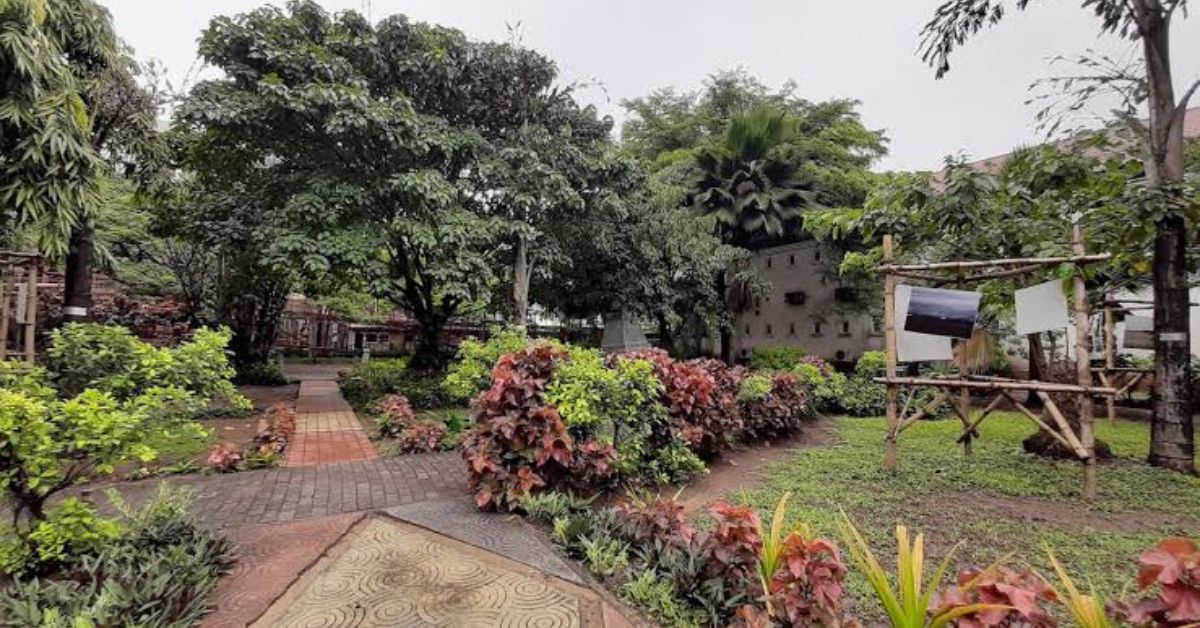
Lagos is one of the choice locations for tourists in Nigeria due to its rich heritage and vast infrastructural renaissance. It is famous for its energy, nightlife, beaches, restaurants, and endless traffic. But beyond the popular attractions lies another side of the city—quieter, more cultural, more surprising, and often overlooked.
If you’ve already visited the usual tourist spots, it’s time to explore deeper.
From historic neighbourhoods and peaceful green spaces to artistic hideaways and lesser-known waterfront escapes, these hidden gems in Lagos offer experiences that feel different from the standard Lagos itinerary.
Whether you’re a first-time visitor looking for something unusual or a Lagos resident searching for a new weekend adventure, these 15 places are worth adding to your list.
Related post: 30 Best Places to Visit in Lagos, Nigeria: The Ultimate 2026 Guide
1. Freedom Park
Located on Lagos Island, Freedom Park is one of the city’s most interesting cultural spaces. The park was developed on the site of the former Broad Street Prison, giving it a fascinating historical connection to Lagos.
Today, the atmosphere is completely different. Visitors can walk through landscaped spaces, admire sculptures, attend performances, and discover exhibitions that highlight Nigerian history and creativity.
The park is particularly interesting for travelers who want more than photographs. It gives you a chance to connect with Lagos through its past while experiencing its modern artistic culture.
Why visit: History, art, live performances and photography.
Best for: Culture lovers, photographers and travellers interested in Nigerian history.
2. Jaekel House
Hidden within the Nigerian Railway Compound in Ebute Metta, Jaekel House is a beautiful reminder of Lagos’ colonial railway history.
The historic building was once associated with the Nigerian Railway Corporation and has been preserved as part of the city’s heritage. Its architecture, old photographs and railway memorabilia provide a glimpse into an earlier era of Lagos.
For visitors interested in architecture and history, this is one of the city’s more rewarding lesser-known attractions.
The railway compound itself also adds to the experience. Instead of simply visiting another modern Lagos attraction, you’re stepping into a part of the city’s story that many visitors never see.
Why visit: Historic architecture, railway history, and photography.
3. National Museum Lagos
The National Museum in Lagos may not have the same buzz as the city’s beaches or entertainment districts, but it deserves more attention.
Located in Onikan, the museum houses important Nigerian artefacts, artworks and historical objects. It offers visitors a deeper understanding of the cultures and civilizations that existed long before modern Lagos became the megacity it is today.
For tourists, this is an excellent stop to make before exploring other parts of Lagos Island.
The museum also provides context. After seeing traditional objects, sculptures and historical pieces, many other cultural experiences around Lagos become easier to appreciate.
Why visit: Nigerian history, culture and traditional art.
Best for: First-time visitors, students, families and history enthusiasts.
4. Lekki Conservation Centre’s Canopy Walk
Lekki Conservation Centre is not exactly unknown, but many visitors only think of it as a nature reserve and overlook one of its most exciting features: the canopy walkway.
Suspended above the forest, the walkway gives visitors a different perspective of Lagos’ natural environment.
The contrast is striking. Just a short distance away from busy roads, shopping centres and high-rise buildings, you can find greenery, birds and a surprisingly peaceful environment.
If you’re searching for things to do in Lagos away from the crowds, this should be high on your list.
Go early when possible, especially if you want cooler temperatures and a more relaxed experience.
Why visit: Nature, wildlife, photography and adventure.
5. Tarkwa Bay
Tarkwa Bay is one of Lagos’ best-known “secret” beaches—but it still feels far removed from the city’s busier coastal attractions.
Accessible by boat, Tarkwa Bay offers a more secluded beach experience than many easily accessible beaches in Lagos.
The journey is part of the adventure. Instead of driving directly to your destination, you travel across the water and arrive at a beach surrounded by a different rhythm of life.
The experience can be especially enjoyable for travellers who want to combine sightseeing with relaxation.
However, visitors should plan carefully, use reputable boat operators and pay attention to local safety advice and sea conditions.
Why visit: Beach relaxation, photography and a memorable boat ride.
6. Makoko Waterfront
Few places demonstrate the complexity and resilience of Lagos quite like Makoko.
Often described as a floating community, Makoko is a densely populated waterfront neighbourhood where parts of everyday life are closely connected to the lagoon.
The area is culturally and visually fascinating, but it should not be treated as a tourist spectacle. If you visit, go with sensitivity, respect residents’ privacy and use responsible local guides who understand the community.
A guided experience can provide valuable insight into the history, challenges and entrepreneurial spirit of the people who call the area home.
Why visit: Cultural understanding, photography and a different perspective on Lagos.
Important: Respect residents, ask before taking photographs and avoid intrusive tourism.
7. Nike Art Gallery
Tucked away in Lekki, Nike Art Gallery is an enormous celebration of Nigerian creativity.
The multi-level gallery showcases paintings, textiles, sculptures, beadwork and other forms of African art. Even visitors who aren’t passionate about art can find something interesting here because the collection is colourful, diverse and deeply connected to Nigerian culture.
One of the gallery’s biggest advantages is that you don’t need to understand contemporary art to enjoy it. The building itself feels like an artistic experience.
Take your time walking through the different floors rather than rushing through for a few photographs.
Why visit: African art, culture, fashion and photography.
Best for: Art lovers, creatives and travellers looking for authentic cultural experiences.
8. Omu Resort
For travellers willing to venture farther from central Lagos, Omu Resort offers a completely different type of experience.
The expansive recreational destination combines entertainment, nature and family activities. Depending on what is operating during your visit, attractions can include rides, animal experiences and outdoor activities.
It is particularly suitable for families travelling with children or groups looking for an activity-filled day.
Because attractions and operating arrangements can change, check current information before making the journey.
Why visit: Family entertainment, outdoor activities and a full-day escape.
9. Epe Fish Market
Want to experience a side of Lagos that feels far removed from the city’s luxury restaurants?
Head towards Epe.
The Epe area is strongly connected to fishing and waterfront commerce. Visiting a local fish market can give travellers a fascinating look at the everyday economic activities that keep communities along Lagos’ waterways running.
This isn’t a polished tourist attraction—and that’s precisely what makes it interesting.
Go with a local guide if possible, especially if you’re unfamiliar with the area. Early morning can be particularly interesting because that’s when trading activity is often at its busiest.
Why visit: Local culture, food, fishing and authentic Lagos experiences.
10. Badagry’s Historical Sites
Badagry is often overlooked by visitors who stay within central Lagos, but the historic town offers some of the most significant heritage experiences in the state.
Its history is closely connected to the transatlantic slave trade, early Christianity and Nigeria’s colonial past.
Visitors can explore museums and historical landmarks while learning about the people and events that shaped the region.
A trip to Badagry isn’t simply a sightseeing excursion. It is an opportunity to engage with difficult but important parts of history.
Because of the distance from central Lagos, consider dedicating an entire day to the trip.
Why visit: History, heritage and cultural education.
11. Glover Memorial Hall and the Marina Heritage Area
Lagos Island is packed with history, yet many visitors rush through it without noticing the buildings around them.
The area around the Marina contains architectural reminders of different periods in Lagos’ development.
Historic buildings, old commercial streets and landmarks tell stories about the city’s transformation from a coastal settlement into one of Africa’s largest urban centres.
Walking around with a knowledgeable guide can make the experience far more rewarding because many of the most interesting details aren’t obvious at first glance.
Why visit: Architecture, urban history and photography.
12. LUFASI Nature Park
For a peaceful break from Lagos traffic, LUFASI Nature Park is worth considering.
The nature park provides a greener environment where visitors can spend time outdoors, enjoy nature and learn about environmental conservation.
It is especially appealing to travellers who have spent several days exploring Lagos’ busy commercial areas and want somewhere quieter.
Bring comfortable shoes, water and a camera. The experience is more about slowing down and appreciating the environment than rushing from one attraction to another.
Why visit: Nature, relaxation, conservation and outdoor exploration.
13. Artsy Lagos Creative Spaces
One of Lagos’ greatest hidden treasures isn’t a single attraction—it’s the city’s network of independent creative spaces.
Across areas such as Yaba, Lagos Island, Lekki and Victoria Island, you’ll find galleries, studios, cultural hubs, design spaces and pop-up exhibitions.
The locations and events change regularly, which is part of their appeal.
Check local event calendars and social media pages before your visit to discover exhibitions, workshops, live performances and creative markets happening during your stay.
For travellers who want to see the creative side of Lagos, these spaces can be more memorable than conventional tourist attractions.
Why visit: Contemporary art, fashion, music and local creativity.
14. Inagbe Island
If you’re looking for a break from Lagos’ urban intensity, consider a trip to Inagbe Island.
Located off the Lagos coast, the island provides opportunities for beach relaxation and water-based activities.
Its relative distance from the city’s major commercial areas creates a sense of escape. You can spend a few hours enjoying the coast before returning to the energy of mainland Lagos.
As with any boat trip, choose reliable operators and confirm weather and sea conditions before travelling.
Why visit: Beaches, water activities and a change of scenery.
15. The Old Lagos Island Streets
Sometimes the best hidden gem isn’t a famous attraction at all.
Spend time walking through parts of Lagos Island and you’ll discover old buildings, markets, religious landmarks, narrow streets and businesses that have been part of the city’s history for generations.
This is where Lagos becomes more than a destination on a map.
You see traders starting their day, hear different languages and accents, encounter historic architecture and experience the incredible density of everyday life.
Go with a local guide if you’re unfamiliar with the area. They can point out details you’d probably walk past without noticing.
Why visit: Authentic city life, history, architecture, and photography.
How to Explore Lagos Like a Local
Finding hidden gems is only half the experience. Knowing how to explore them makes a big difference.
Start Early
Lagos can become extremely busy as the day progresses. Starting early gives you cooler temperatures, less traffic and more time at each destination.
This is particularly useful for outdoor locations and day trips outside central Lagos.
Use Local Guides
Some of Lagos’ most interesting experiences aren’t obvious from Google Maps.
A knowledgeable local guide can help you understand the history behind a location, navigate unfamiliar areas and connect you with experiences that aren’t marketed heavily to tourists.
Respect Local Communities
Not every interesting neighbourhood is a tourist attraction.
When visiting places such as Makoko or local markets, remember that people live and work there. Ask before photographing individuals, avoid intrusive behaviour and support local businesses where possible.
Responsible tourism creates better experiences for both visitors and residents.
Don’t Try to See Everything in One Day
Lagos is large, and traffic can turn a short journey into a long one.
Instead of creating an exhausting itinerary with five destinations scattered across the city, group nearby attractions together.
For example, you could combine several Lagos Island attractions on one day and reserve another day for Lekki and its surrounding attractions.
Best Time to Explore Hidden Gems in Lagos
The best time to explore Lagos depends on what you want to do.
For outdoor activities, early mornings are generally more comfortable because temperatures are lower.
The dry season can also make sightseeing easier, although Lagos remains warm throughout much of the year.
For beaches and islands, check weather and sea conditions before travelling. Conditions can change, and boat operators may adjust schedules for safety.
For cultural attractions and museums, check opening hours before setting out because schedules can change.
What to Pack for a Lagos Adventure
A little preparation can make your exploration much easier.
Consider carrying:
- Comfortable walking shoes
- Drinking water
- Sunscreen
- A hat or sunglasses
- Lightweight clothing
- A power bank
- Insect repellent for nature-focused locations
- Cash for smaller local businesses
- A camera or smartphone
Most importantly, bring flexibility. Lagos doesn’t always run according to a perfect schedule, and unexpected discoveries are often part of the fun.
Why These Hidden Gems Are Worth Visiting
The biggest mistake you can make when visiting Lagos is assuming the city is only about nightlife, beaches, and traffic.
Lagos has layers.
There is the modern Lagos of skyscrapers, luxury restaurants and entertainment venues. There is the historic Lagos of colonial buildings, railway heritage and old neighbourhoods. There is the artistic Lagos of galleries, studios and creative communities. And there is the natural Lagos of lagoons, beaches, wetlands and forests.
These hidden gems allow you to experience several of those sides at once.
They also give you something many popular attractions cannot: a stronger connection to the character of the city.
Final Thoughts: Go Beyond the Tourist Trail
The best hidden gems in Lagos aren’t necessarily the places with the biggest signs or the most Instagram posts.
Sometimes they’re found behind an old gate, down a quiet street, across a lagoon or inside a neighbourhood that most visitors simply drive past.
From the history of Jaekel House and Badagry to the creativity of Nike Art Gallery, the natural beauty of LUFASI and Lekki Conservation Centre, and the everyday energy of Lagos Island, these places reveal a more layered version of Nigeria’s most energetic city.
So, the next time you’re planning things to do in Lagos, don’t limit yourself to the usual checklist.
Take the less obvious route.
You might discover the Lagos you’ll remember long after your trip is over.